CEF Digital: Funding for the Connectivity Layer Nobody Thinks About
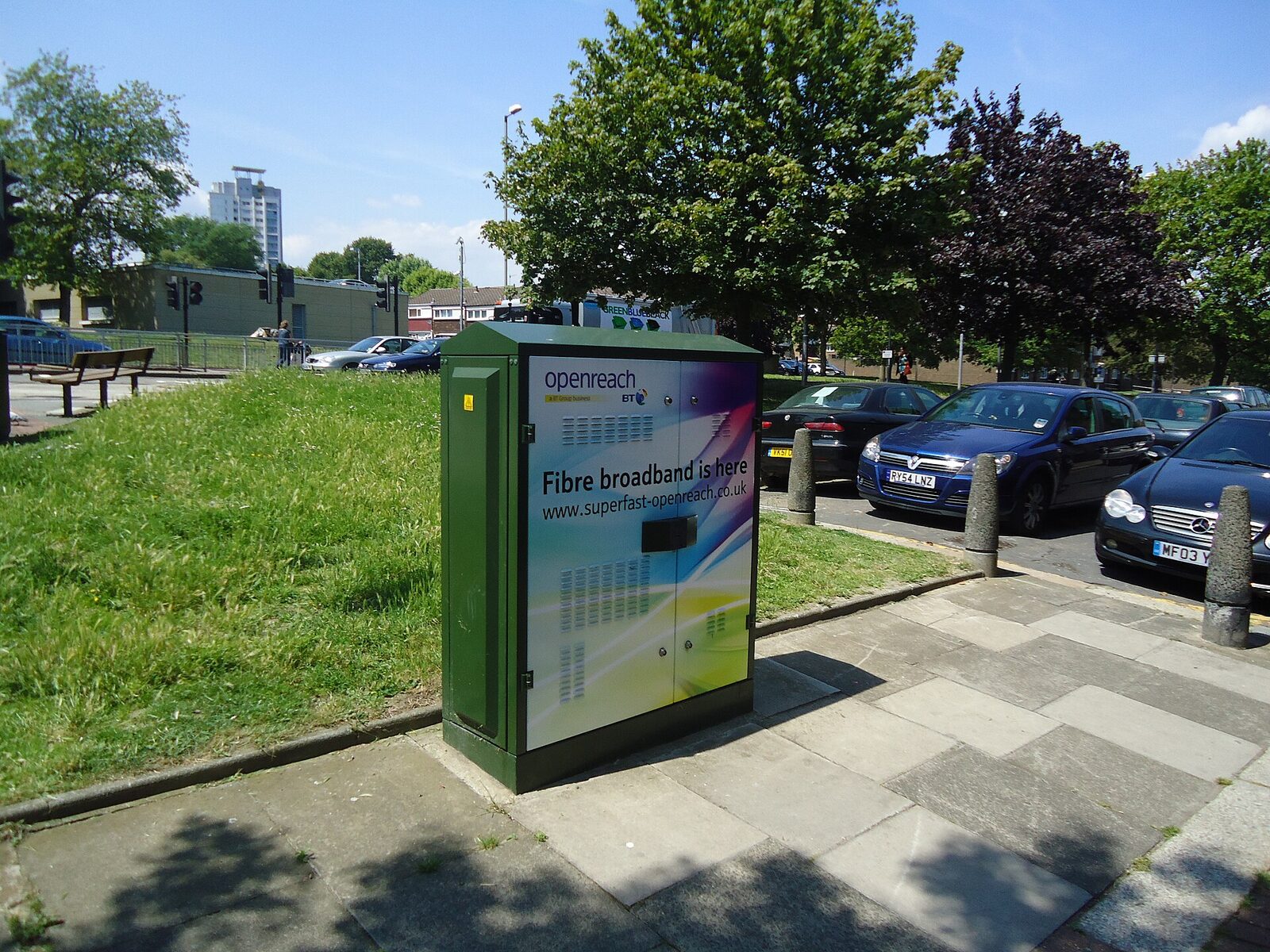
The Connecting Europe Facility is best known for funding roads, railways and energy interconnectors. Its digital strand is much smaller, around €1.6 billion for 2021 to 2027, and it funds something specific: the physical connectivity infrastructure that everything else runs on.
If you build software, this is probably not your programme. If you operate networks, build data centre interconnection, lay cable, or deploy edge infrastructure, it is one of the few instruments that funds capital-intensive physical connectivity rather than research or software.
What it funds
CEF Digital targets deployment of digital connectivity infrastructure with a cross-border or European dimension. The distinction from national broadband funding matters: CEF is for connectivity that serves more than one member state or that has strategic European significance.
Backbone connectivity
The largest and most active area. Funding for high-capacity backbone networks, including terrestrial fibre routes and submarine cables, connecting member states to each other and to strategic third-country destinations under the Global Gateway agenda.
The second CEF Digital work programme for 2024 to 2027 added €542 million specifically for backbone connectivity, bringing total EU investment in these infrastructures across the current financial framework to close to €1 billion.
Submarine cables have seen notably high demand. This is one of the areas where the strategic argument is easiest to make: cable routes determine where traffic physically goes, and Europe has direct interest in routes that do not depend on transit through particular jurisdictions.
Backbone for pan-European cloud federations
A more specific topic: connectivity infrastructure to support federated European cloud arrangements. This connects directly to the ambitions in the Cloud and AI Development Act and to the compute build-out described in our InvestAI guide.
Federated cloud only works if the interconnection between sites is fast and cheap. That is a physical infrastructure problem and CEF is one of the few instruments that funds it.
5G corridors
Deployment of 5G coverage along transport corridors: roads, rail and waterways, to support connected and automated mobility. A budget of around €300 million across the period, with corridor calls launched in 2023, 2024 and 2025 producing around 25 studies and projects.
This area has seen lower demand than expected, and the honest reason is market readiness. The business case for continuous 5G coverage along transport corridors depends on connected vehicle services that have not deployed at the scale originally projected. The infrastructure is ahead of the demand.
Why that matters if you are in this space: lower competition. A call with less demand than budget is a very different proposition from one with a five percent success rate.
5G for smart communities
Deployment of 5G-enabled services for public services and communities, often combined with edge computing.
Operational digital platforms and quantum communication
Smaller topics covering specific infrastructure needs, including the European quantum communication infrastructure initiative.
Who this is for
Telecoms operators and network builders. The primary audience.
Submarine cable consortia and operators. An active and well-funded area.
Data centre and interconnection operators, particularly for the cloud federation topics.
Consortia including public authorities, which is common for corridor and smart community projects.
Equipment vendors and integrators, usually as consortium partners rather than lead applicants.
Not most software companies. It is worth saying plainly. If your work is application software, this is the wrong programme and the Digital Europe Programme is the right one.
How the money works
Co-funding rates vary by action type, typically covering a portion of eligible costs for works and a higher portion for studies. Studies are cheaper to fund and are a common entry point.
Studies versus works matters. A study funds design, feasibility and preparation. Works funds actual deployment. Many successful projects run a study first and a works project later, and treating them as a sequence is the normal pattern.
Projects are large and long. Infrastructure timelines. Permitting, procurement and construction dominate the schedule, not the technical work.
Blending with other instruments is common, particularly with InvestEU and national funding. CEF grants frequently cover a portion of a project whose full financing comes from several sources.
Practical notes
Check the work programme rather than assuming continuity. CEF Digital topics have shifted noticeably between the first and second work programmes, following demand. The 2024 to 2027 programme rebalanced towards backbone connectivity where demand was strongest.
Demand varies enormously by topic, and this is public information. Topics that are undersubscribed are dramatically better odds than the headline programme success rate suggests. Submarine cables have been heavily contested. Corridors have not.
Cross-border is not optional. The European dimension is not a box to tick, it is the reason the programme exists. A national project with a cross-border sentence added will not score.
Permitting is your critical path. For any works project, the regulatory and permitting timeline across multiple jurisdictions is the risk, not the technology. Evaluators know this and look for evidence you have addressed it.
What comes after 2027
CEF continues as an instrument in the proposed 2028 to 2034 framework, though the structure of European funding is being consolidated substantially through the European Competitiveness Fund. Connectivity infrastructure remains a stated priority under the digital leadership strand. Detail in our MFF 2028 to 2034 guide.
The strategic direction is consistent: European policy is increasingly concerned with who owns and operates the physical layer, for the same reasons it is concerned with cloud and compute. Expect connectivity funding to continue and probably to grow.
Where this fits
The full funding landscape is mapped in our EU technology funding guide. The regulatory framework around European networks is changing through the Digital Networks Act, which is worth reading alongside this if you operate infrastructure.
Getting help
We build and operate software systems for companies across Europe, including the operational side of infrastructure: monitoring, network data platforms, provisioning systems and the tooling that makes deployed infrastructure manageable.
If you have funded infrastructure work whose software layer needs building, write to office@c9group.dev. More about our work on the AWS cost optimisation page and the EU market entry page.